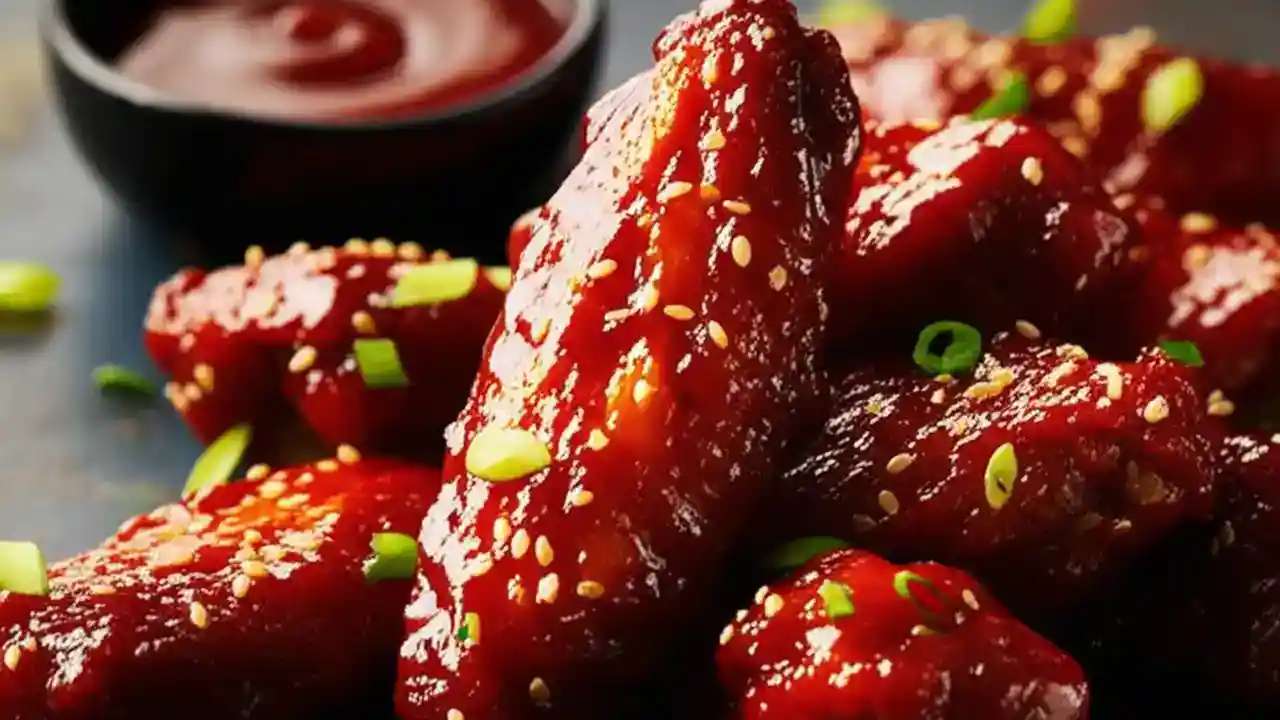
Baked & Crispy: Master Sweet & Spicy Gochujang Chicken Wings
There's a universally acknowledged truth about chicken wings: they are the ultimate blank canvas for flavor innovation. While classic Buffalo wings hold a special place in many hearts, a new contender has been steadily rising in popularity, offering an exhilarating symphony of taste that captivates from the very first bite. We're talking about sweet and spicy Korean chicken wings with gochujang sauce – a dish that masterfully balances heat, sweetness, tang, and umami into an utterly irresistible experience. Imagine perfectly crispy wings, glistening with a vibrant, sticky glaze that's so "finger-licking good" you won't even mind the delightful mess. This guide will walk you through mastering these phenomenal wings, whether you prefer them baked, air-fried, or traditionally fried, ensuring every batch is a resounding success.
The Irresistible Allure of Korean Chicken Wings with Gochujang Sauce
What makes Korean chicken wings with gochujang sauce so incredibly captivating? It's all in the exquisite balance of flavors that dance on your palate. Unlike the singular fiery punch of some hot sauces, gochujang introduces a complex profile that is simultaneously sweet, spicy, savory, and subtly tangy. This harmonious blend creates an addictive depth of flavor that's both comforting and exciting.
- Sweetness: Often derived from ingredients like honey, brown sugar, or even the gochujang itself, this sweetness mellows the heat and makes the sauce incredibly appealing.
- Spiciness: Gochujang, a fermented Korean red chili paste, delivers a unique kind of heat – a vibrant warmth that builds without overwhelming, allowing the other flavors to shine through.
- Savory/Umami: Soy sauce, garlic, ginger, and the fermented nature of gochujang contribute profound savory notes and that coveted umami richness, making these wings deeply satisfying.
- Tanginess: A touch of rice wine vinegar or even the subtle acidity from the gochujang provides a crucial counterpoint, brightening the sauce and preventing it from being one-dimensional.
The resulting sauce possesses a rich, glossy consistency, often compared to a gourmet BBQ sauce, which beautifully coats each wing, creating a sticky, glistening finish. It's an appetizer that transcends occasions, perfect for game day gatherings, backyard barbecues, or simply an elevated weeknight treat when a craving for something truly special strikes.
Unlocking Crispy Perfection: Baked, Air-Fried, or Fried Wings?
While the sauce is undoubtedly the star, the canvas upon which it shines – the crispy chicken wing – is equally crucial. Achieving that desirable crunch is key to the ultimate sweet and spicy korean chicken wings gochujang sauce experience. Fortunately, you have several excellent options, with baking and air-frying being particularly popular for home cooks.
Achieving Restaurant-Quality Crispy Baked Wings
Many home chefs shy away from deep frying due to the mess and extra oil. The good news is, you can achieve wonderfully crispy wings in your oven or air fryer. Here’s how to master the art of baked crispiness:
- Pat Them Dry: This is arguably the most critical step. Moisture on the skin creates steam, which prevents crisping. Use paper towels to thoroughly pat every single wing piece dry.
- The Baking Powder Trick: For an extra-crispy exterior, toss your dried wings with a small amount of baking powder (about 1 teaspoon per pound of wings). The baking powder raises the skin's pH, which helps it brown and crisp up more effectively.
- Use a Rack: Arrange the wings in a single layer on a wire rack set over a baking sheet. This allows air to circulate around all sides of the wings, ensuring even cooking and crisping. Without a rack, the bottoms can become soggy.
- High Heat: Roast your wings at a high temperature, typically 400-425°F (200-220°C). This high heat helps render the fat and achieve that golden-brown, crispy skin. Some recipes even suggest parboiling the wings briefly before baking to help render fat and ensure tenderness while accelerating the crisping process in the oven.
- Air Fryer Alternative: An air fryer is an excellent tool for crisping wings with minimal oil. Follow similar steps for patting dry and seasoning, then cook in batches according to your air fryer's instructions until golden and crisp.
It's important to note the distinction: these methods create crispy chicken wings that are then coated in a sauce. This is different from "Korean style fried chicken," which typically involves a battered and deep-fried approach, resulting in a distinctively crunchy shell. Both are delicious, but for ease and health-consciousness at home, baked or air-fried wings are a fantastic choice.
Crafting the Quintessential Sweet & Spicy Gochujang Sauce
The heart of these unforgettable wings lies in their glorious gochujang sauce. The beauty of this sauce is its simplicity and speed – it can be whipped up in just 5-10 minutes while your wings are cooking.
Understanding Gochujang: Your Key Ingredient
At the core of the sauce is gochujang, a fundamental ingredient in Korean cuisine. It's a thick, sticky, fermented paste made from Korean chili powder (gochugaru), glutinous rice, fermented soybeans, and salt. Its flavor is a complex tapestry of sweet, spicy, and savory notes, with an underlying fermented depth that's truly unique.
- Where to Find It: Gochujang is increasingly available in the international aisle of most major grocery stores. Look for it near other Asian condiments.
- Choosing a Brand: The sweetness level of gochujang can vary significantly between brands. Some contain added corn syrup or other sweeteners, while others offer a more savory profile. Read the label if you have a preference. Many prefer brands with more natural ingredients.
- Spice Level: Gochujang also comes in different spice levels. If you're sensitive to heat, opt for a milder version. You can always dial up the heat with extra gochugaru or chili flakes in your sauce if needed.
Building Your Flavor-Packed Sauce
While gochujang provides the foundation, other ingredients elevate the sauce to perfection:
- Soy Sauce: Adds essential umami and saltiness, balancing the sweetness.
- Sweetener: Honey, brown sugar, or even maple syrup can enhance the sweetness and contribute to that coveted sticky glaze. The amount will depend on your gochujang's inherent sweetness and your personal preference.
- Rice Wine or Mirin: Adds a subtle tang and helps to round out the flavors. If you don't have rice wine on hand, a splash of water can work as a substitute, though the complexity will be slightly diminished. Rice wine vinegar can also be used for a tangier kick.
- Garlic and Ginger: Freshly minced garlic and grated ginger are non-negotiable for their aromatic punch, providing a foundational layer of savory heat.
- Sesame Oil: A drizzle of toasted sesame oil at the end adds a nutty aroma and richness that pulls all the flavors together.
To make the sauce, simply whisk all ingredients together in a saucepan over medium heat, bringing it to a gentle simmer. Allow it to thicken for a few minutes until it reaches a consistency similar to a pourable BBQ sauce. Taste and adjust sweetness, spice, or tang as desired.
Mastering the Assembly: From Crispy Wing to Flavorful Feast
Once your wings are cooked to crispy perfection and your sweet and spicy korean chicken wings gochujang sauce is ready, it's time for the grand finale: coating them in that irresistible glaze.
- Toss While Warm: For the best adhesion, toss the hot, crispy wings with the warm gochujang sauce immediately after they come out of the oven or air fryer. The warmth helps the sauce cling beautifully.
- Even Coating: Use tongs or two large spatulas to gently but thoroughly toss the wings, ensuring every piece is generously coated in the glossy sauce. You want each wing to be dripping with flavor.
- Optional Second Bake (for extra stickiness): For an even stickier, caramelized glaze, you can return the sauced wings to the oven for another 5-10 minutes at a slightly lower temperature (around 350°F / 175°C). This allows the sauce to bake onto the wings, intensifying the flavor and stickiness.
- Garnish and Serve: Arrange your magnificent wings on a platter. For an extra touch of authenticity and visual appeal, sprinkle with toasted sesame seeds and thinly sliced green onions. These garnishes not only add color but also provide a subtle textural contrast and freshness.
Serve these sticky, messy, and utterly delicious korean chicken wings gochujang sauce with plenty of napkins. They pair wonderfully with cooling sides like quick-pickled radishes or a simple cucumber salad, making them a sensational appetizer or a fun main course.
Conclusion
Mastering sweet and spicy korean chicken wings gochujang sauce at home is a rewarding culinary journey that promises incredible flavor and undeniable satisfaction. By focusing on achieving that perfect crispy texture, understanding the nuances of gochujang, and balancing the sweet, spicy, and savory notes in your homemade sauce, you'll create a dish that rivals any restaurant offering. So, next time you spot chicken wings on sale, grab them, gather your gochujang, and prepare to elevate your wing game to an entirely new, finger-licking level. Your taste buds (and your guests) will thank you!
